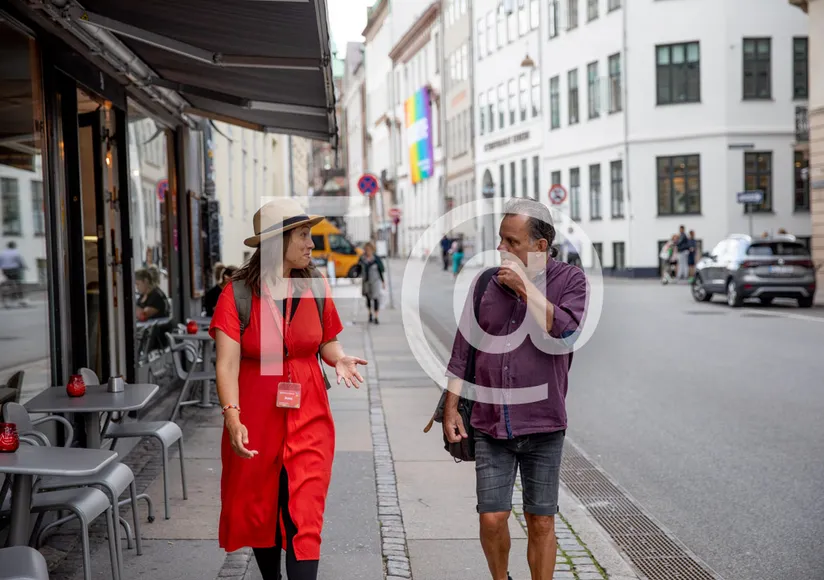
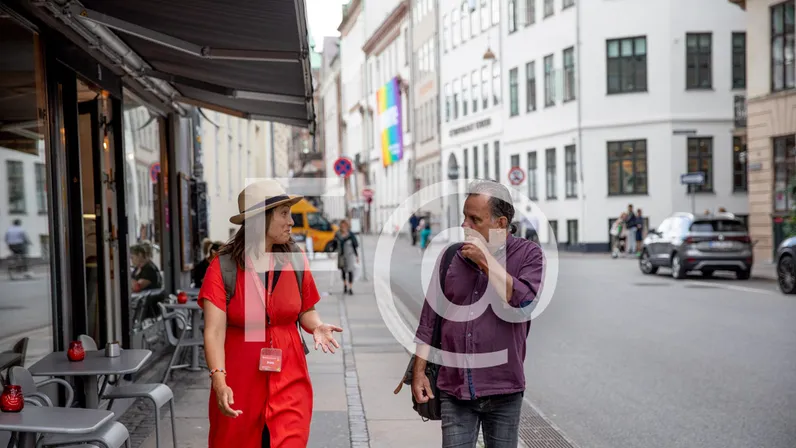
Denmark exports design the way other countries export oil, and Copenhagen is where you can see the whole argument in one afternoon: not in a museum, but in the streets, the shopfronts, the lighting and the door handles.
You start at Nyhavn, which everybody photographs and almost nobody looks at. Your host uses it to explain the basics: why the houses are those colours, what the proportions are doing, and how a working harbour of sailors' bars became the most reproduced image in Denmark.
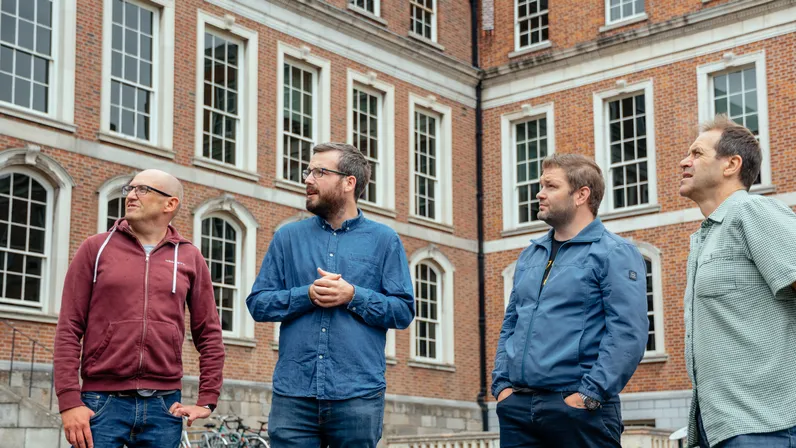
You walk into Frederiksstaden, the rococo quarter around Amalienborg, which is the opposite: entirely planned, laid out in the 1750s to a single scheme with the palaces on an octagon. Your host explains what a planned quarter does to a city and how that eighteenth century instinct for order runs straight through to the modern stuff.
Then the design itself. Your host teaches you to recognise the canon on sight, the chairs, the lamps, the cutlery, the clocks, and more usefully why they look like that: the postwar housing shortage, the small apartments, the long dark winters, the cabinet making tradition, and the deliberate decision that good things should be for everyone. You go into shops and showrooms where you can sit in the chairs rather than read about them, and your host explains how to tell an original from a licensed reissue from a copy, which is worth knowing before anybody spends money.
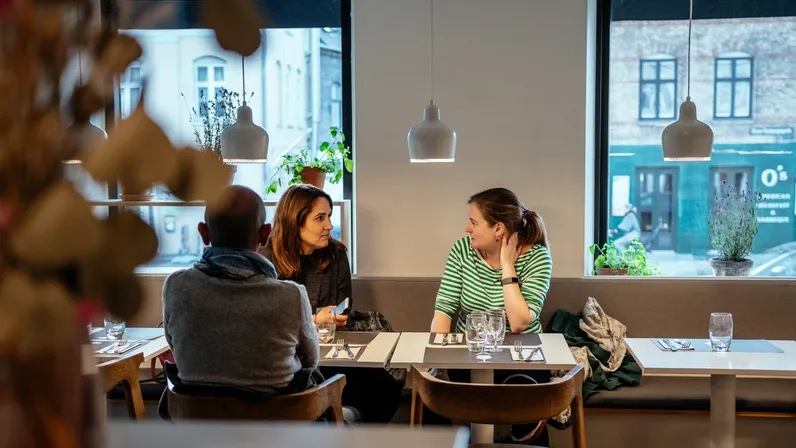
You stop for a coffee and a pastry, both included, and finish outside the Designmuseum, where your host explains what is in it and how it is arranged, so you can decide whether to go in afterwards.
A practical note: the Designmuseum entrance is deliberately NOT included. It is about EUR 19 per person, it needs at least ninety minutes to be worth it, and bundling it would have pushed this tour's price up substantially for something you may want to do at your own pace. Your host will tell you honestly whether it is your kind of museum.