When Franco died in 1975 Madrid did not ease into democracy, it exploded into one. La Movida Madrilena was a few years of music, drugs, fanzines and film in a handful of streets in Malasana and Chueca, and one young man from La Mancha filmed all of it on borrowed equipment and became the most recognisable director in Spanish history.
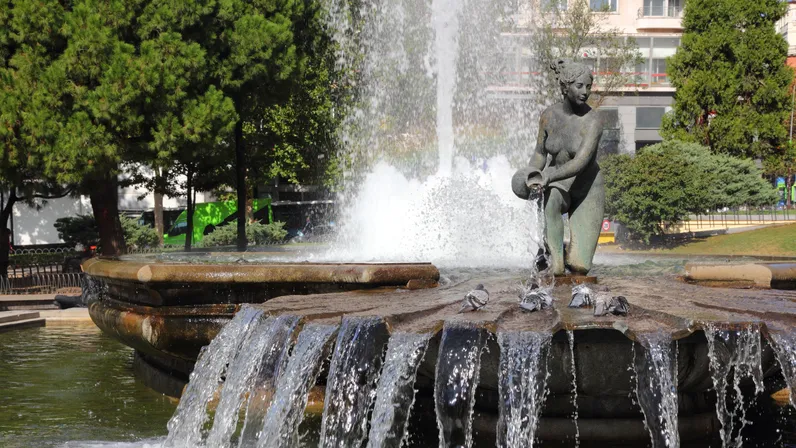
You meet your host in Plaza del Dos de Mayo, the square that was the centre of the Movida, where people still sit out on the steps all evening. Your host explains what the movement actually was, why it happened here and not in Barcelona, and how much of it was genuine liberation and how much was very good marketing.
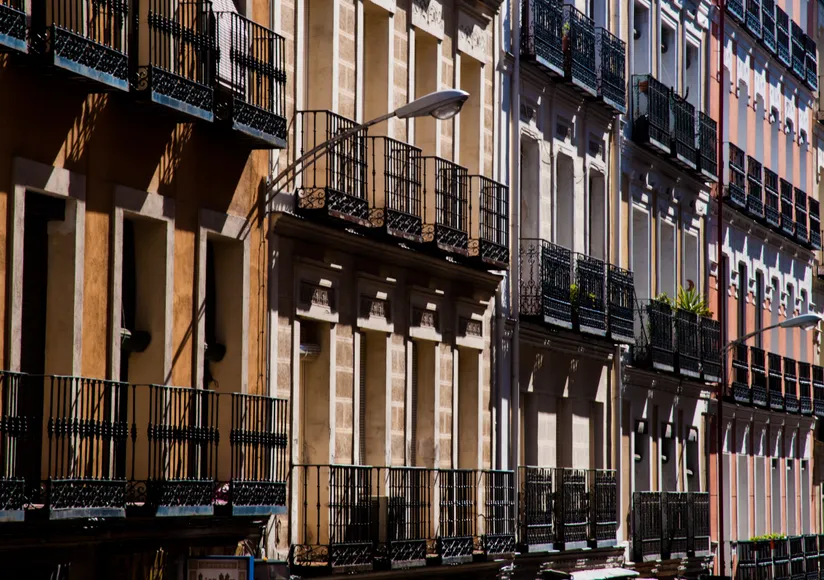
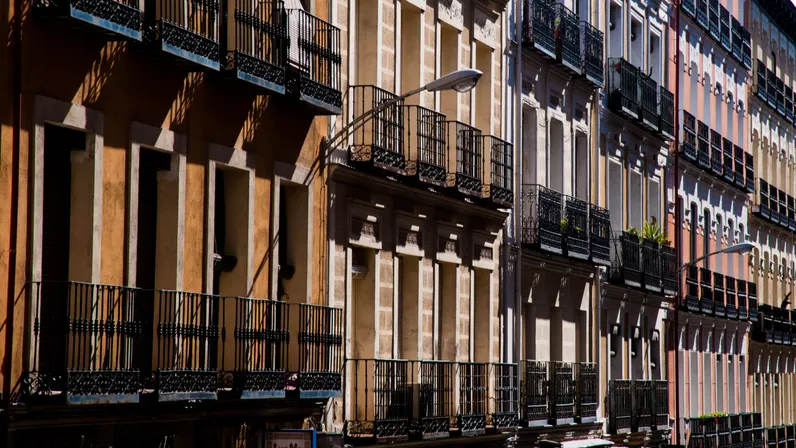
Then you walk. The neighbourhood is full of the specific things his films are made of: the ironmonger, the ordinary bar with a television on, the flat blocks with laundry, the pharmacy signs, the beauty salons. Your host points out the locations that have been used again and again across the films, explains why he shoots interiors on constructed sets but keeps the real streets outside, and why the colour red keeps happening.
You cross into Chueca, which went from the most dangerous district in central Madrid to the heart of gay Spain in about fifteen years, and hear how those two stories are the same story. Your host covers what the films got right about that change and what they romanticised.
You stop for a drink and a small plate, both included, in a bar or at the San Anton market, and finish with your host's list of what to watch in what order, which is the thing everybody actually wants from a tour like this.
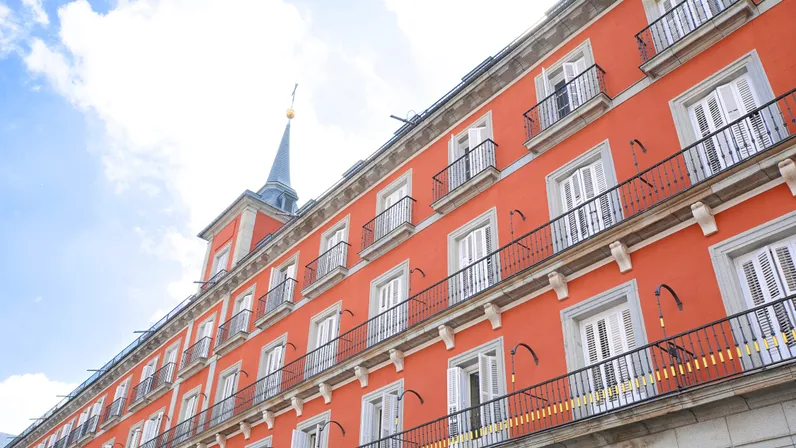
A practical note: this is a walk about streets, squares and facades, and no filming location interiors are entered because most of them are private homes and businesses. The films it discusses are adult in subject matter and the conversation is honest, so it is not a tour for young children.